What Vets Recommend Before Winter for Your Pet’s Health


With winter's arrival, a seasonal check-up is one of the best investments you can make for your pet's long-term health. Changes in routine, colder weather, and decreased outdoor activity can all have an impact on your pet over the autumn months, sometimes in ways that are easy to miss at home.
At Animal Medical Centre, our vets share that coming in for a seasonal check-up can help identify any small concerns before they become bigger problems further down the line.
If you have any concerns about your pet's health, behaviour or routine, book an appointment.
Book a winter health checkWhy early winter is a good time for a pet health check
Seasonal transitions can affect pets more than some owners think. As routines begin to change again with decreasing daylight, it's worth reassessing your pet's overall condition and making sure they are entering winter happy and healthy.
Our veterinary team Childs Hill explain that preventative care is one of the best ways to support long-term health, particularly for senior pets or those with existing medical conditions. That's why Animal Medical Centre's team have put together a practical checklist for your pet's care needs:
1. Weight and body condition
Changes in exercise routines such as reduced activity during shorter days in Greater London can contribute to weight gain over the colder months. Equally, unexplained weight loss can sometimes be an early sign of illness.
Checking your pet's body condition regularly can help spot changes early. You should be able to feel your pet's ribs without pressing firmly, and they should have a visible waist when viewed from above.
If you're unsure whether your pet is at a healthy weight, our team in Childs Hill can help assess their body condition and offer tailored advice.
2. Parasite prevention
Fleas, ticks and worms don't disappear once the colder months arrive - parasites can remain active year-round, and pets spending more time in damp conditions and dense undergrowth can still pick them up.
Our Animal Medical Centre team recommend reviewing your pet's flea, tick and worming routine periodically to ensure protection remains up to date.
3. Skin, coat and general wellbeing
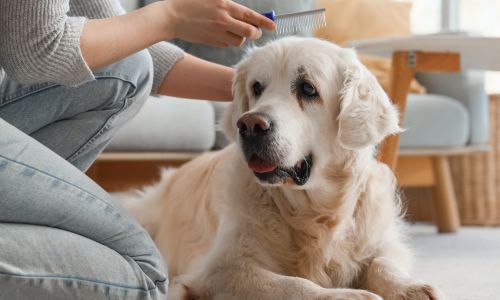
Cold and damp autumn conditions can sometimes lead to skin irritation, allergies, or matting, particularly in dogs. Our vets in Childs Hill recommend grooming and checking your pet's ears, paws and coat to help identify issues before they worsen.
A healthy coat should appear clean and shiny, while excessive scratching, hair loss or redness may indicate an underlying problem.
This is also a useful time to monitor your pet's appetite, thirst, energy levels and behaviour.
What can owners check at home?
- Changes in weight or appetite
- Lumps, bumps or swelling
- Itching, licking or skin irritation
- Bad breath or difficulty eating
- Changes in mobility or stiffness
- Toileting or behavioural changes
If anything feels unusual, it's always best to get in touch - call us on 020 8450 2228.
At Animal Medical Centre, our team are here to help you keep your pet healthy throughout every season. Booking a winter health check can provide reassurance and help your pet transition comfortably into winter.
Book a health check